
When to Harvest Potatoes
When is the best time to harvest potatoes? Surprisingly, potatoes can be harvested at a few different phases of growth. It really depends on if you’re going for good flavor, a long storage life, or a high yield.
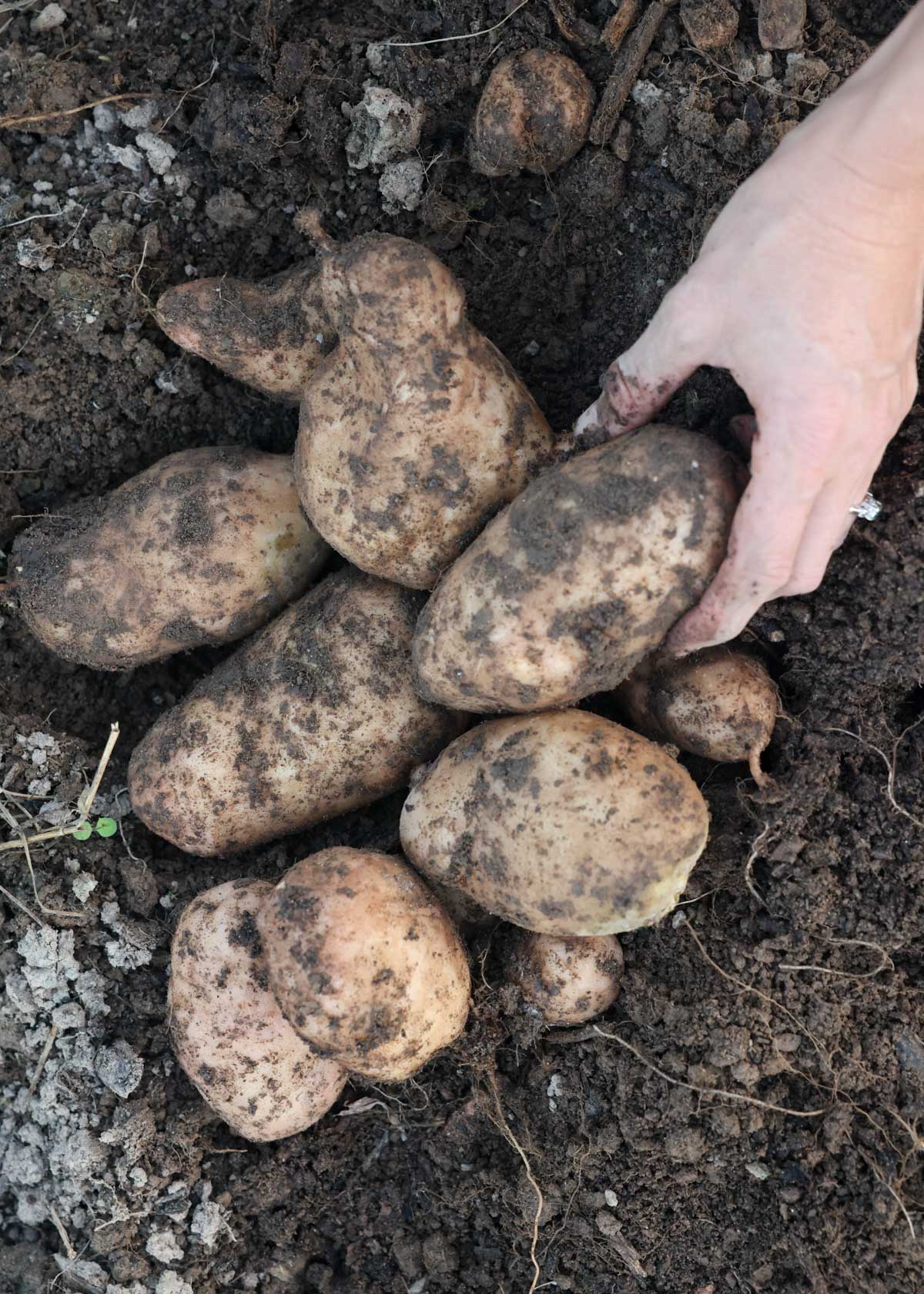
Stages of Growth
Before we dive into when to dig potatoes, it’s important to know how potatoes grow from start to finish.
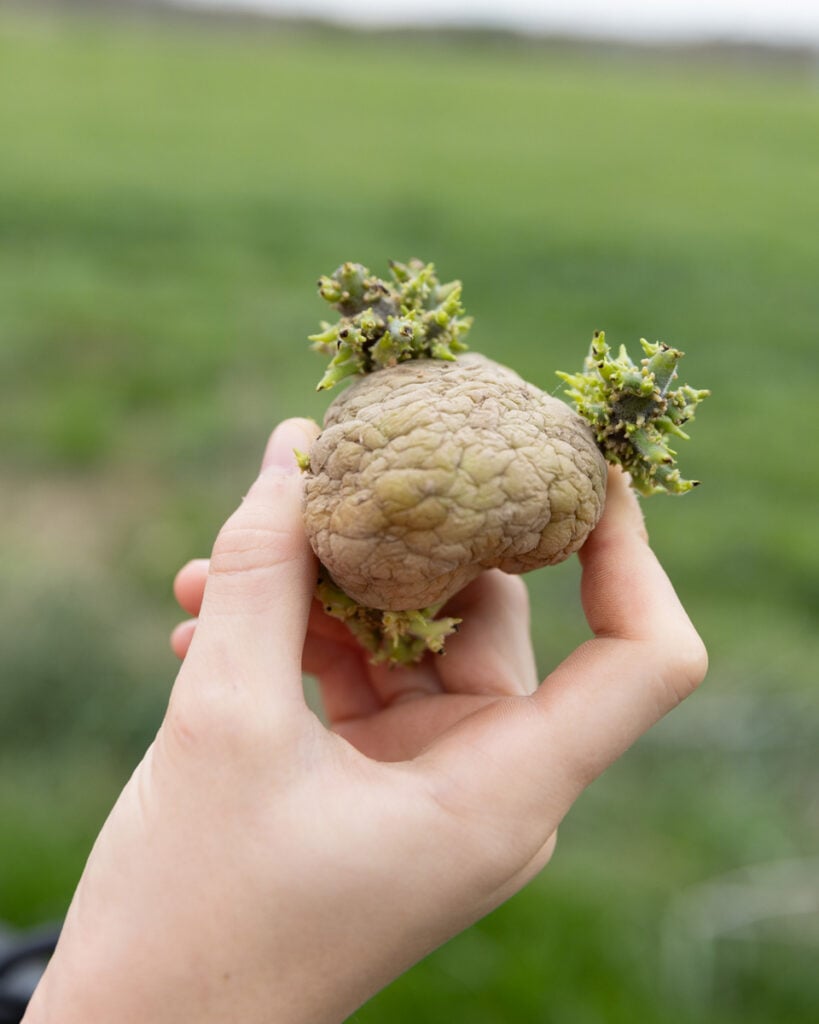
STAGE 1: Green spouting of the seed potato. The potato is planted in the soil at this stage.

STAGE 2: The potato shoots up green vegetative growth and grows roots. After that the roots become larger and potatoes, also known as tubers, begin to grow. At this phase they are very small, about the size of a marble.

STAGE 3: After another few weeks, the vegetation is still green and the plants form flowers. This happens around 7-8 weeks after planting but keeping in mind some varieties will not flower at all. Most potato varieties are about the size of a golf ball at this stage.
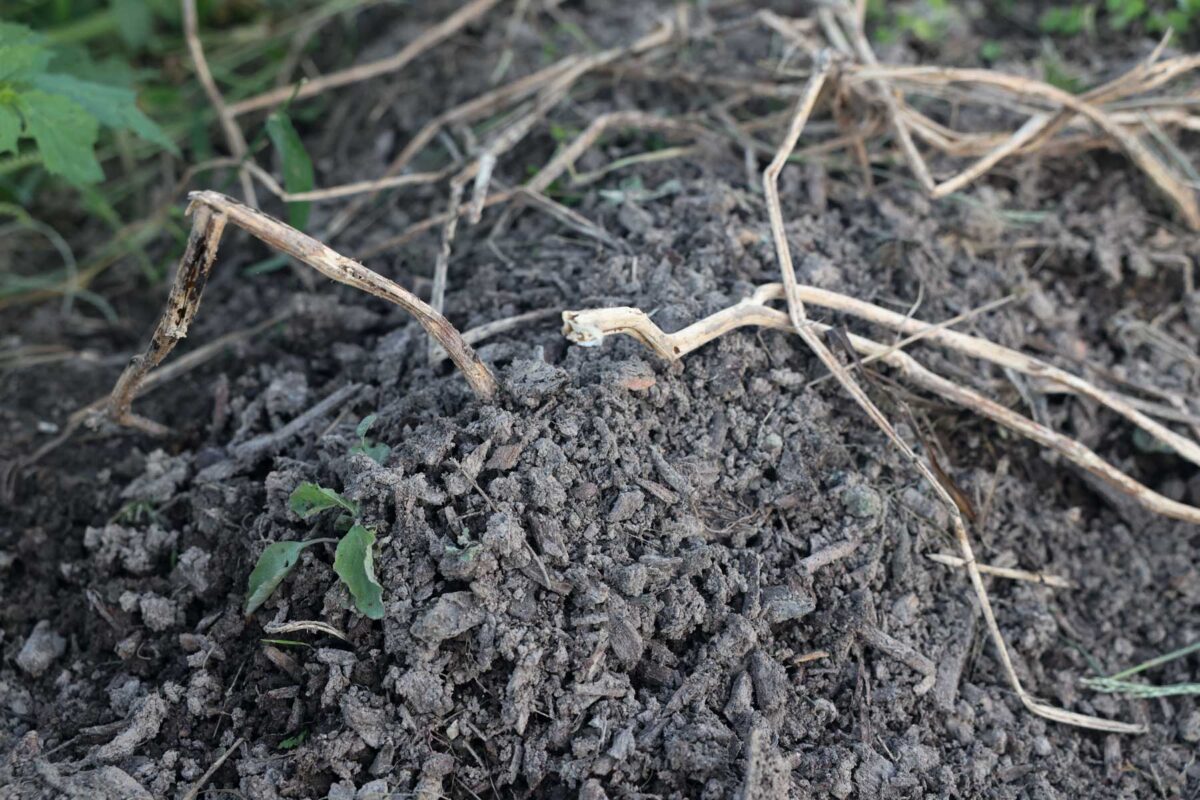
STAGE 4: Several weeks later, foliage begins to die back. This is the sign potato growth is slowing and they are close to maturity. Once the foliage is brown or yellow and dead the potatoes have finished maturing.
5 Signs Your Potatoes are Ready for Harvest
As mentioned above, there are actually a few different times when you can harvest potatoes. You can harvest them as new potatoes or mature potatoes.
When to Harvest New Potatoes
“New potatoes” are potatoes that are harvested young or prior to their full maturity. They’re small but the skin is tender and thin, and the potatoes cook up quickly, and have a delicious, creamy, fresh texture. The best time to harvest new potatoes is when foliage is green and flowers form (see phase 4 of growth above).
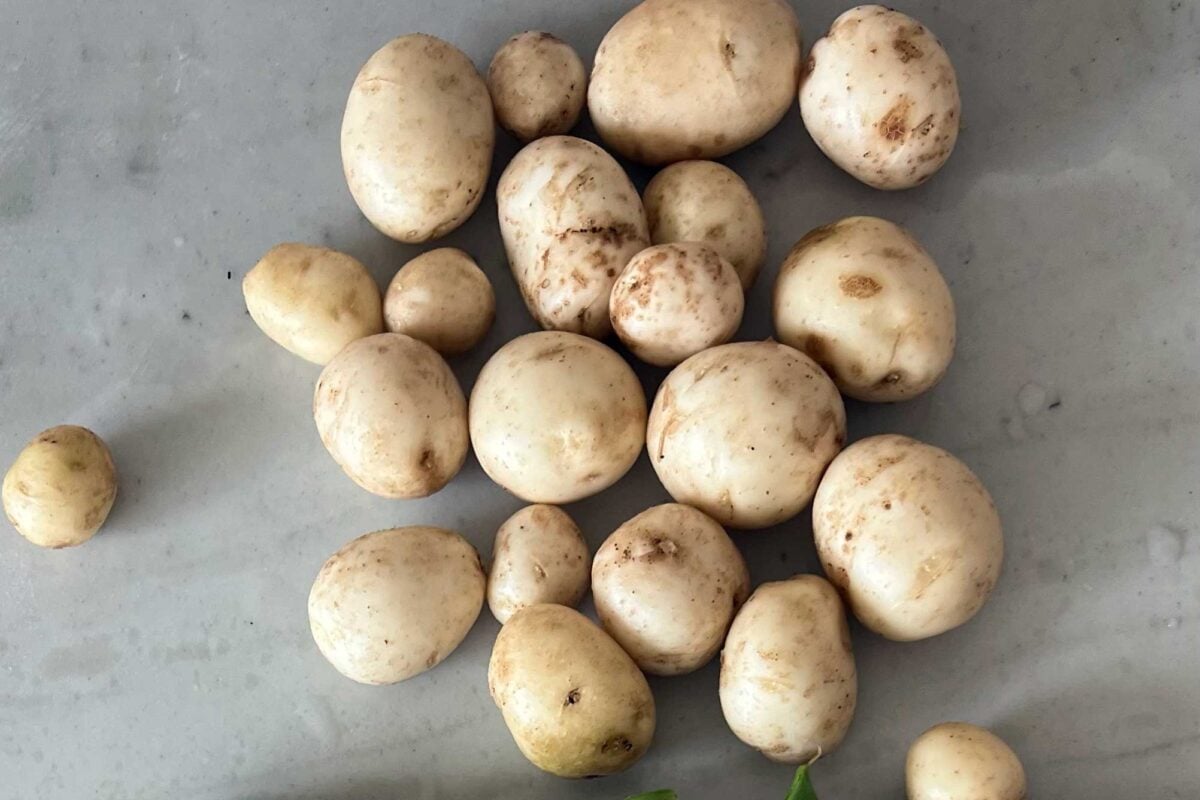
Here are 5 signs to know when to harvest new potatoes:
- Look for flowers on the plants and a large amount of green vegetation. (Note: some varieties may not flower at all).
- Potatoes will still be strongly attached to the stem.
- Reach in the soil and feel for potatoes to check the size.
- Harvest one and see how the skin looks. If it’s thin and scratches easily, and is large enough for your liking you have a perfect new potato.
- Harvest 7-8 weeks after planting.
When to Harvest Mature Potatoes
The second option is to wait until the potatoes have fully matured. Harvesting potatoes at full maturity means you get maximum yield and the potential for a long storage time.
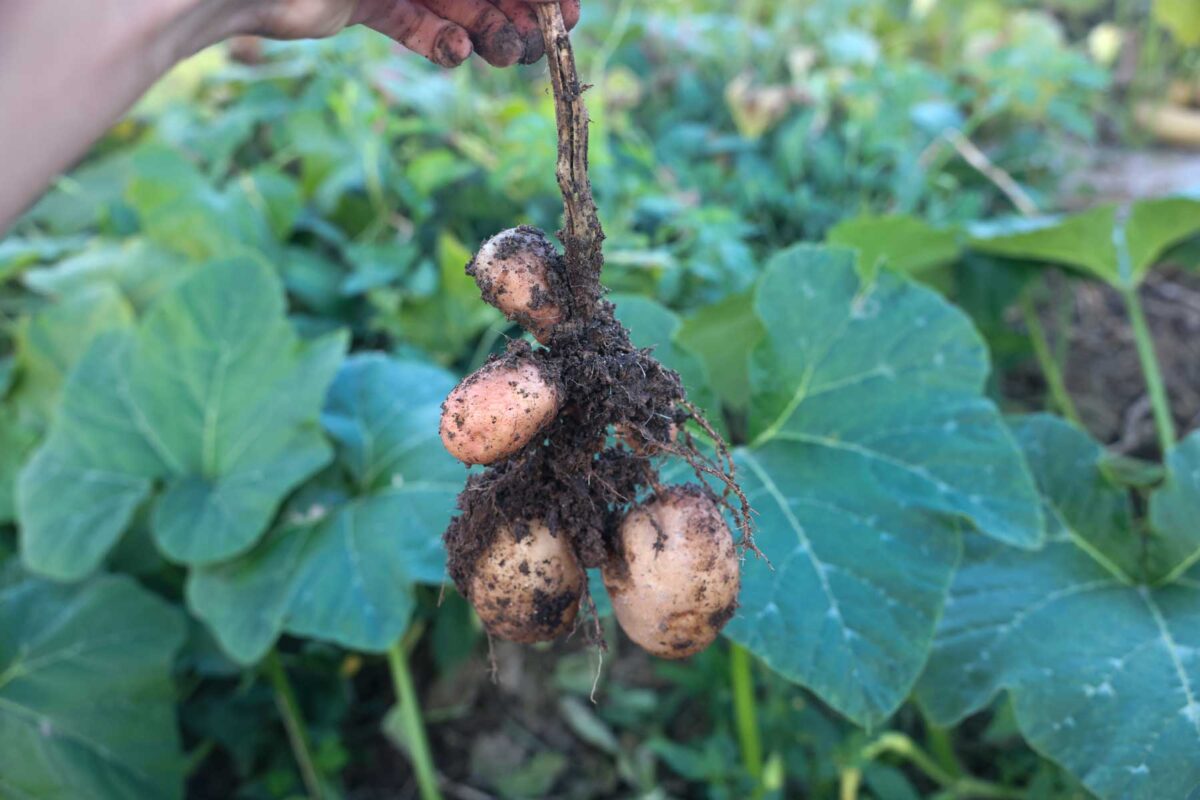
Here are 5 signs to know when to harvest mature potatoes:
- The vegetation naturally dies.
- The leaves and stem turn brown or yellow color. The leaves may or may not be dry and crispy.
- When you dig the potatoes, the skins are not easily damaged and thicker.
- You check how many days to maturity for the variety of potato you grew. If it has been that many days from when the potato sprouted in the ground, you’re likely very close to an ideal harvest time.
- A hard frost is imminent. Whether your potatoes are fully ready or not, potatoes need to be harvested before a hard frost or they will get damaged.
How Long do Potatoes Take to Mature
There are three different types of potatoes- early, midseason, or late maturing potatoes. Knowing which type of potato you have is a helpful clue for when to harvest potatoes.

Early potatoes mature in 65-80 days. Here are examples of early varieties:
- Yukon Gold
- Yukon Gem
- Dark Red Norland
- Adirondack Blue
Midseason potatoes mature in 80-90 days. Common midseason varieties:
- Caribou Russet
- Kennebec
Late potatoes mature in 90-140+ days. Common late season varieties:
- Elba
- Sarpo Mira
- Russet Burbank
Best Time to Harvest Potatoes
The best time to harvest potatoes is when the weather is dry. Not only that, the soil should also be rather dry.
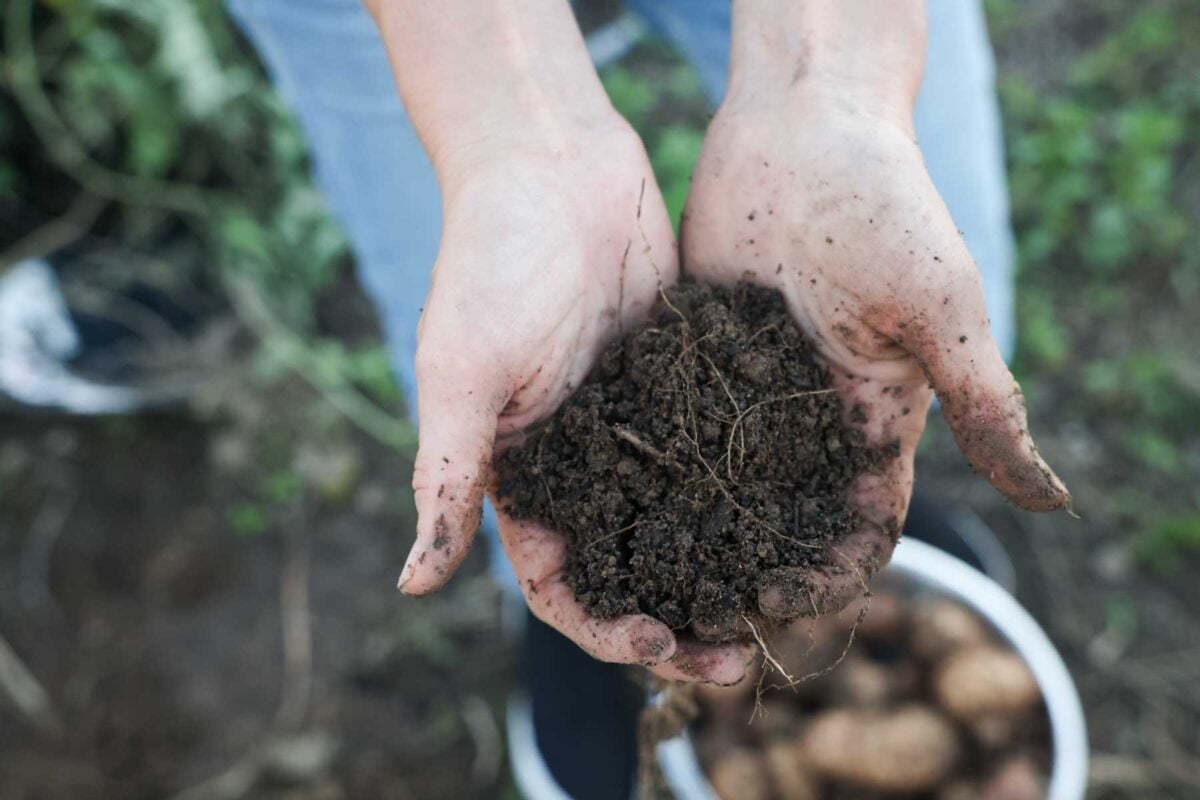
Harvesting on a wet day in wet soil can lead to the potato skins being more easily damaged and they are more likely to get diseased and rot in storage.
How to Harvest Potatoes and Avoid Damage
There are several methods for harvesting potatoes. You can use a pitchfork, garden fork (has curved tines), a broadfork, shovel, hand trowel, or dig them by hand.
However, what’s even more important than selecting the right tool is to use the right method. The ideal method is to start digging on the outer edge of the plant and work your way inward.
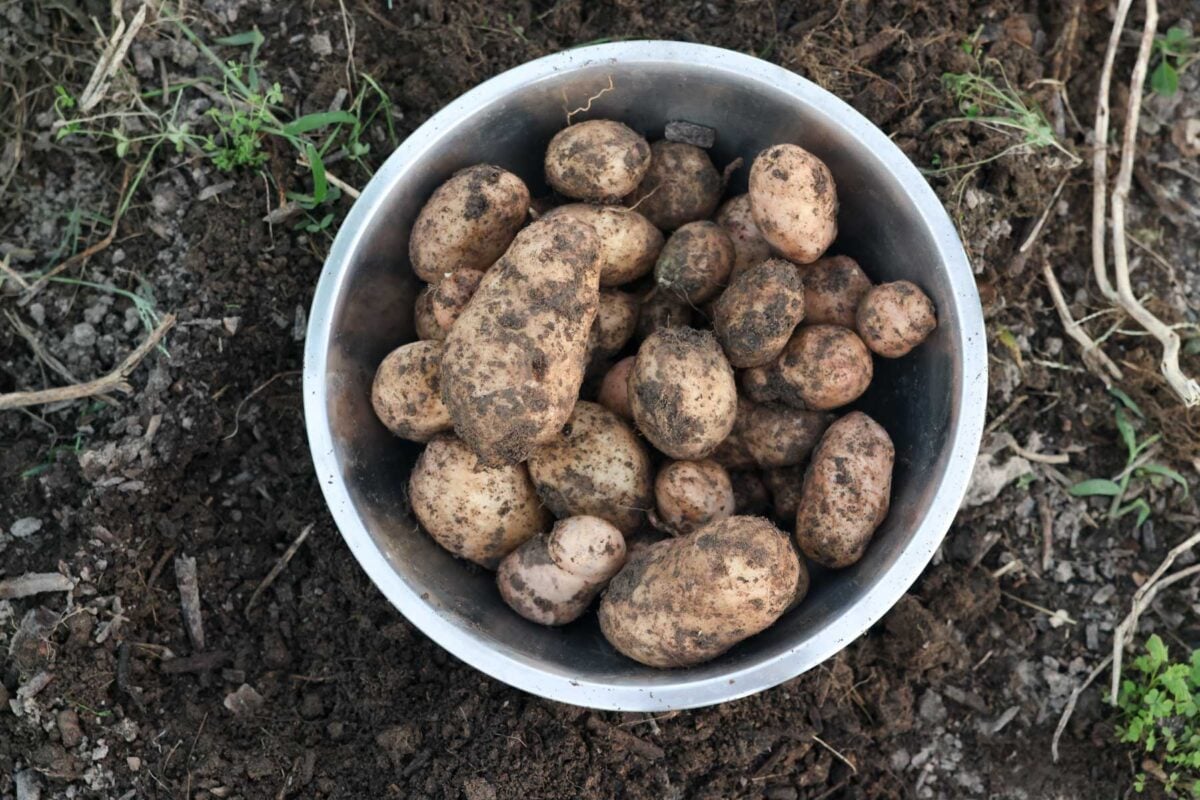
The majority of damage to potato plants happens when you dig too close to the center of the plant. Start digging at least 12-14 inches outside the stem.
After harvesting, DO NOT WASH THE POTATOES. You can knock off any large dirt clots but keep the rest of the soil there. It helps to increase the storage time.
How to Cure and Store Potatoes
Curing allows potatoes to toughen up their skins. It also increases the length of their storage time.
To cure potatoes, keep them in an area that is 55-70ºF (13-21ºC) and 85-95% humidity. Keep them away from light and make sure there is plenty of ventilation. A week or two is all that is needed for curing.
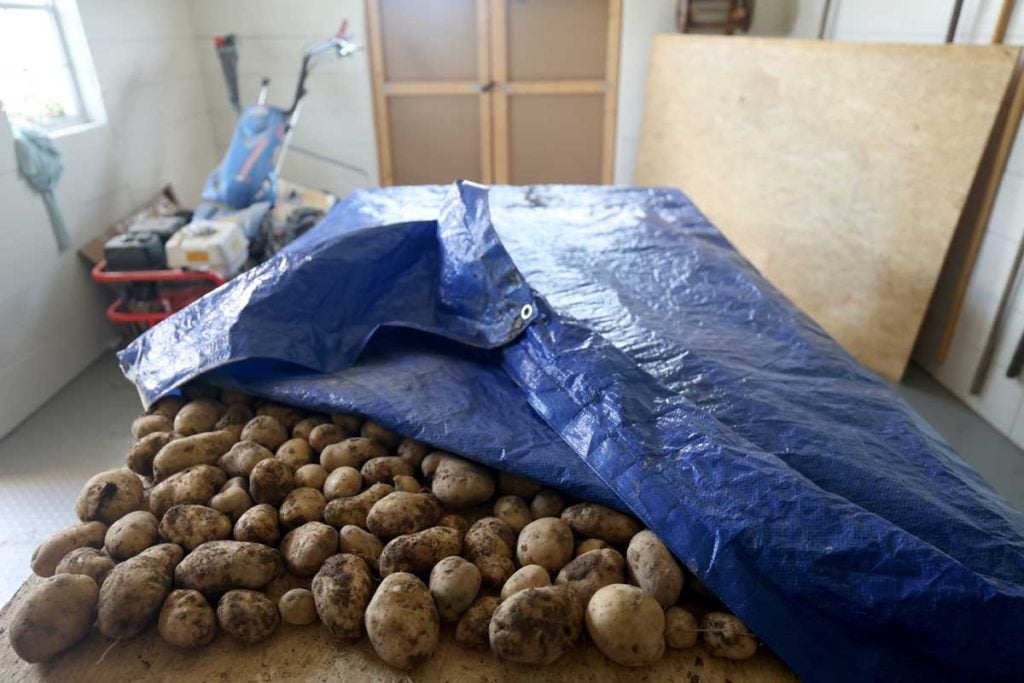
To store potatoes, store at 32-40ºF (0-4ºC) and 80-90 percent humidity (ideally). Store them in an area that is completely dark at all times. If you have less than ideal storage conditions, don’t worry too much just get as close as you can.
A dark closet with no insulation, an area in your garage or under a deck can work well. Make sure rodents can’t get to the potatoes.
For more information check out my in-depth article on how to cure and store potatoes.
Frequently Asked Questions
Potatoes can be left in the ground for a short time after they are mature and the foliage is dead. The risk with leaving them in the ground for a longer period is damage from insects and rodents. Additionally, mature potatoes can sprout if the right conditions are present.
Yes, potatoes can be eaten right away. The only thing you need to avoid is eating the green parts of the plant or any potatoes that have green on them.
Potatoes that have sprouted are perfectly good to eat as long as you remove the green sprouts prior to consuming them.
Conclusion and Related Posts
Potatoes can be harvested anytime from seven to eight weeks after planting until the green tops die. When to harvest is determined by your use. New potatoes are picked early for fresh eating and mature potatoes have a larger size and thick skins that are perfect for storage.
Check out these posts for more harvesting information:
From Scratch Recipes with Potatoes:


