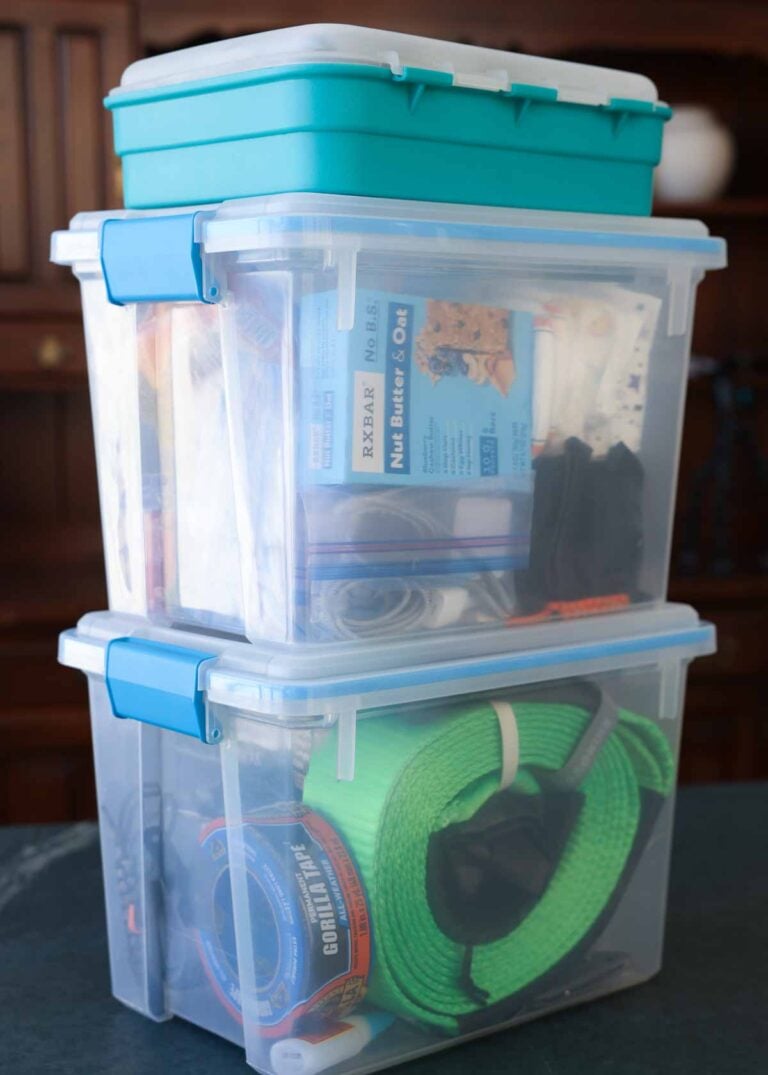
How to Start Prepping | 15 steps to get started
The best way to get started with prepping is to think about likely disasters or hardships that could happen and arm yourself with knowledge, physical health, on the job training, and the supplies needed to overcome those problems with ease.

We’ve always approached it in a practical way and it has served us very well. We don’t have an underground bunker or hazmat suits (though those would be fun to have) because the end of the world is not what we are preparing for.
Prepping gives us the ability to sleep better at night knowing we can handle a food shortage, a job loss, or a week without power.
Food security is always on our minds here on the homestead, but preparedness goes far beyond food. We talk about why you should grow your own food in a different post, but right now we are starting with the basics.
Below I have outlined a few steps that will show you how to easily start prepping without the overwhelm. Or if you have already started prepping, this may give you a few more tips to take the next step in your preparedness journey.
1. Build a Starter Emergency Fund
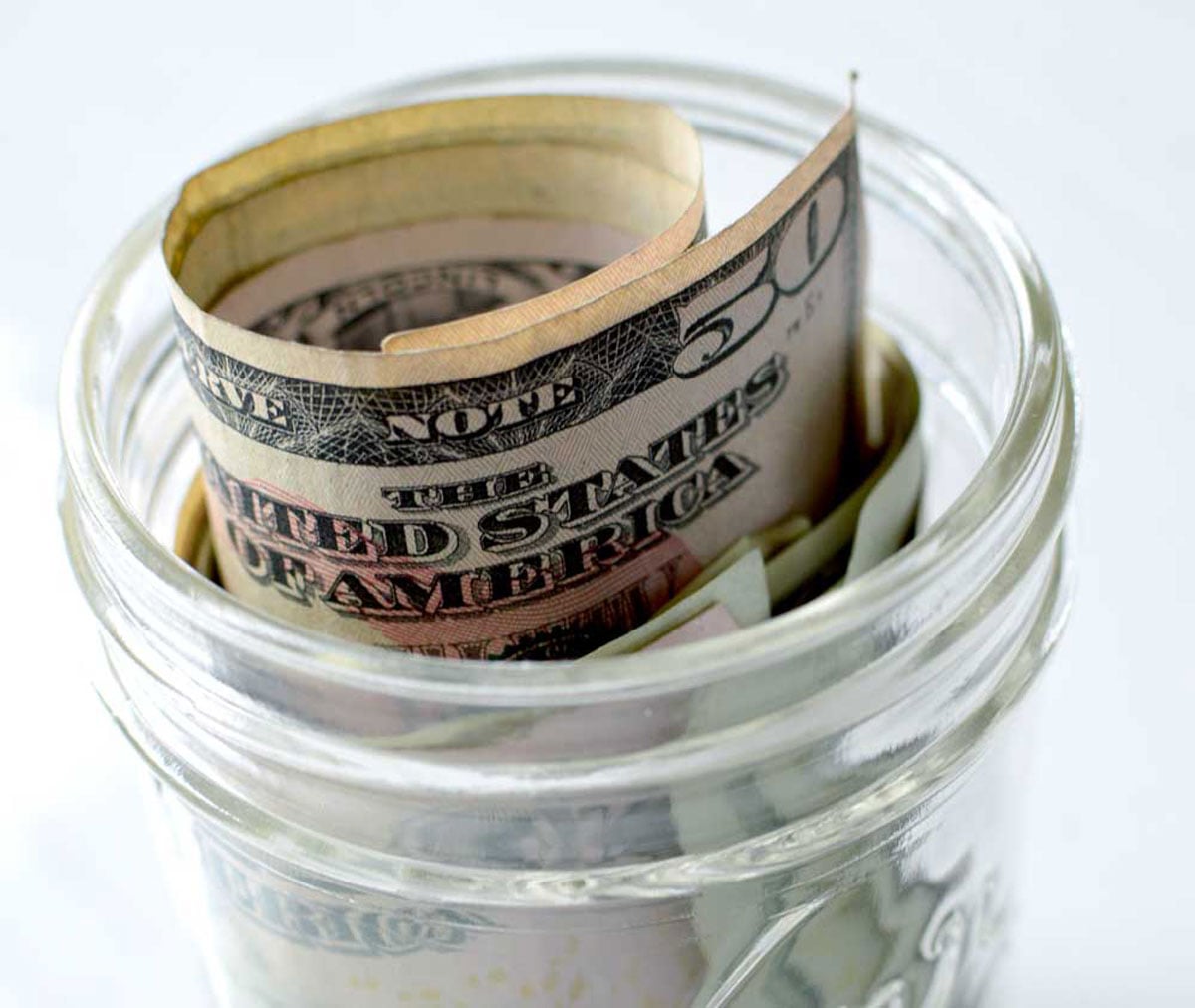
Start with a goal of always having between $500 – $1000 available for a rainy day. The more the better but this is a great starting point. The easiest way to keep emergencies from becoming real “emergencies” is to have $1000 saved up for not IF but WHEN these occur.
I can’t tell you how many times we have avoided major panic because we’ve had our emergency fund money to fully cover an unexpected car repair, an ER trip for a child, or a grocery run at the end of a tight month.
If you don’t have money, Prep this way:
So many people focus on having “stuff” for being prepared but that’s not the only way to do it. Even if you’re broke and live in an apartment, you can prepare your body through exercise and your mind through knowledge and practicing skills.
Go to the library and read all the books about skills you’d like to learn. Watch youtube for free. There is a lot that can be learned and you don’t need to spend a dime for either of these.
Have your emergency fund in place before and practice other ways of preparedness before spending money on supplies.
We do encourage having supplies but only once your emergency fund is in place.
2. Backup Water & Water Storage
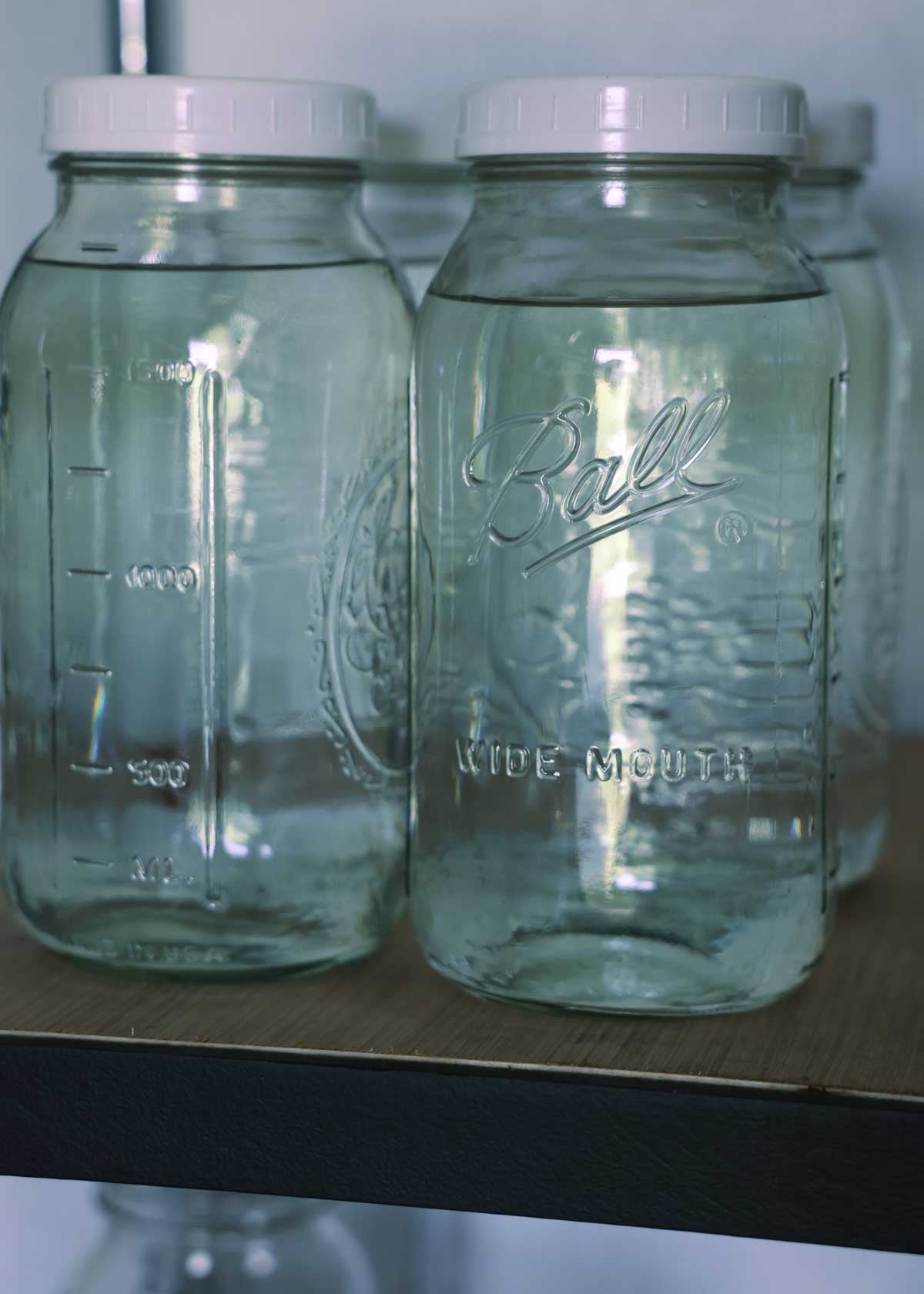
You can live without food for a few weeks, but only a few days without water. Having enough water storage containers to last X days/weeks, and then having a plan B that includes ACCESS to water in case your stored supply starts to run dry.
We store water in clean, usually recycled jars or containers that are airtight with a good leak proof lid. As part of our plan, we cycle through our water containers about twice a year just to keep things fresh, check for any contaminants, and to just keep the water from going stale.
With a stream on our property, this becomes an integral part of our water storage. We have handheld water filters in case our well pump goes out for an extended period of time. We are able to filter water from the stream and have access to a healthy supply of water. Assess where you live to determine a good well-rounded plan for water access.
We’ve had to put this in action when our well pump went out a few years ago. Didn’t turn our world upside down, but it quickly makes you realize how much water you go through in a normal day!!
3. Create a home Pantry and Stock up on food

The average American household has less than a one week’s supply of food on hand! That is so shocking to us. Instead of leaving yourself vulnerable, start by creating a 3 month supply of food. Don’t go out and purchase everything at once unless you have the money for it.
How to get started with storing food
Start by buying two of things you would normally buy at the store. For example if you normal buy 1 jar of peanut butter per month, buy 2 and put one in your food storage. You can slowly build up your food supply if you prioritize it.
A 3 months supply of food shouldn’t be perishables but shelf stable bulk supplies like flour, oats, rice, sugar, canned foods, and dehydrated or freeze dried vegetables and fruits. You can learn how to use a freeze drier or use dehydrator at home and as long as your using your equipment often it will pay for itself and you can save money.
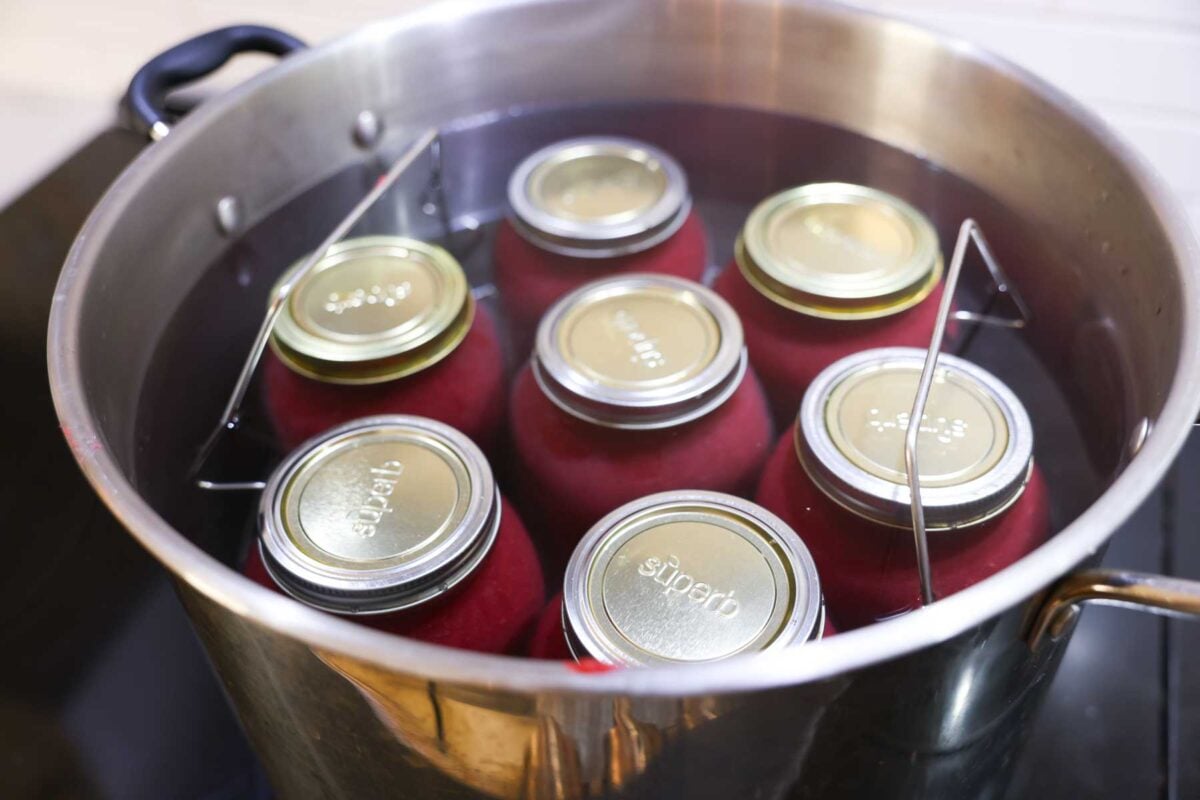
When Becky first started canning, she taught herself and learned the basics of water bath canning and how to pressure can. As you can see in the photo above, we now have a fully stocked pantry each year that didn’t break the bank.
The Seasonal Homestead started as an idea based on growing a years supply of food. I cannot stress enough, stock your pantry with what you eat! We encounter families every now and then who have bulk foods in their pantry storage that they have never eaten before, don’t even like to eat, or simply don’t really know how to incorporate it into meals.
If this sounds like you, start recording what you eat in a week, and break it down into a bulk ingredients list. Start there, and you’ll feel much better when the next winter storm shuts your town down for a few days.
4. Lights for the Darkness
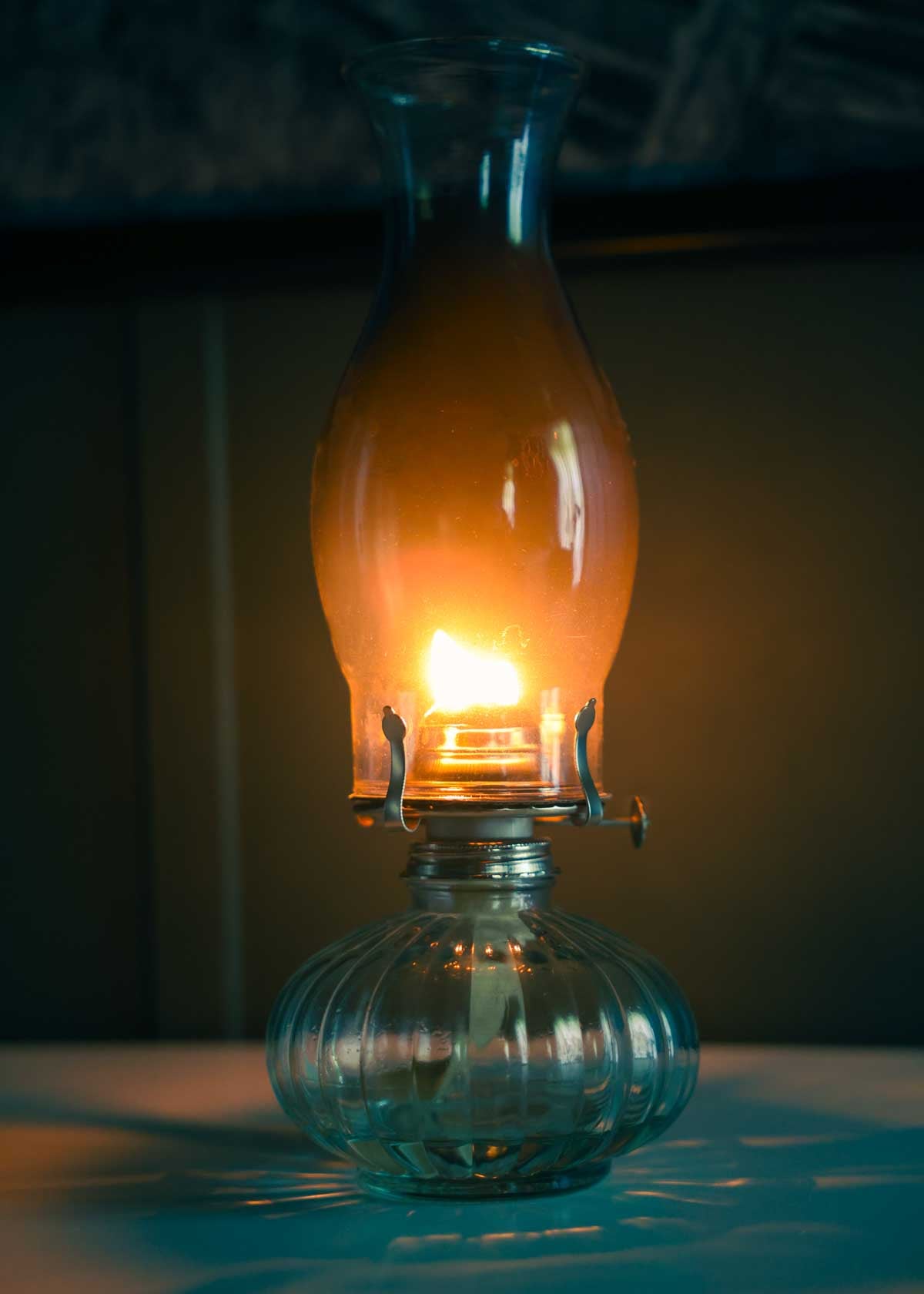
Statistically, 100% of United States households have access to electricity. Most of us use that electricity for light. We don’t think of what a luxury this is until the power goes out in the middle of the night.
Have a stash of various lights. Flashlights, Candles, lanterns, etc. Don’t forget to make sure you have enough batteries, fuel, lighters and whatever else is needed to keep these lights on!! You will thank yourself later for having a backup plan for your lighting needs.
5. a basic Medical Kit, Prescriptions, and Wellness
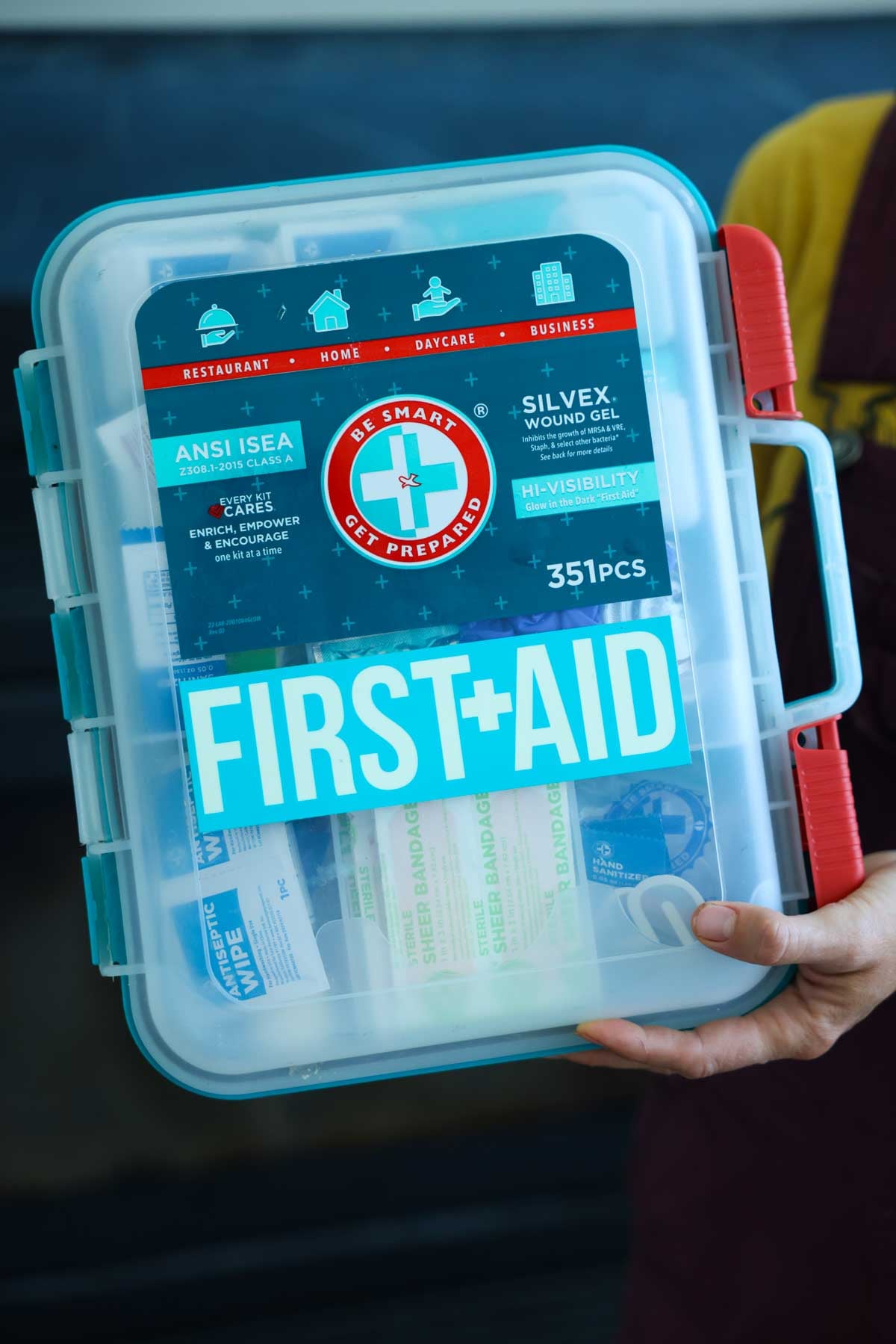
Start with a basic first aid kit, then add “custom upgrades” tailored to your family and environment. We have five active boys in our family, so our bandaid, gauze and wrap supply is ten times what my retired neighbor might have.
My friends in Arizona may have a snake bite kit, whereas here in Arkansas I may prioritize itch relief cream for tick and chigger bites.
Hospitals and pharmacies are some of the first places to see supply disruptions and general overwhelm during a natural disaster.
Assess your medical prescription needs and have a plan if and when supply shortages occur. And please note, some medications don’t need a natural disaster to have a supply shortage.
Health & Wellness
I almost hesitate to say this because I know many are sensitive to it but I’m saying it: A healthy body is an important way to be prepared.
Some medications are needed due to lifestyle and can be avoided with a healthy diet. If you can get off your prescriptions through diet changes and with approval of your doctor, do so!
Exercise and physical fitness is incredibly important as well. Some emergency situations require walking, running, biking, and physical exertion to help others or your own family.
6. Hygiene and Sanitation
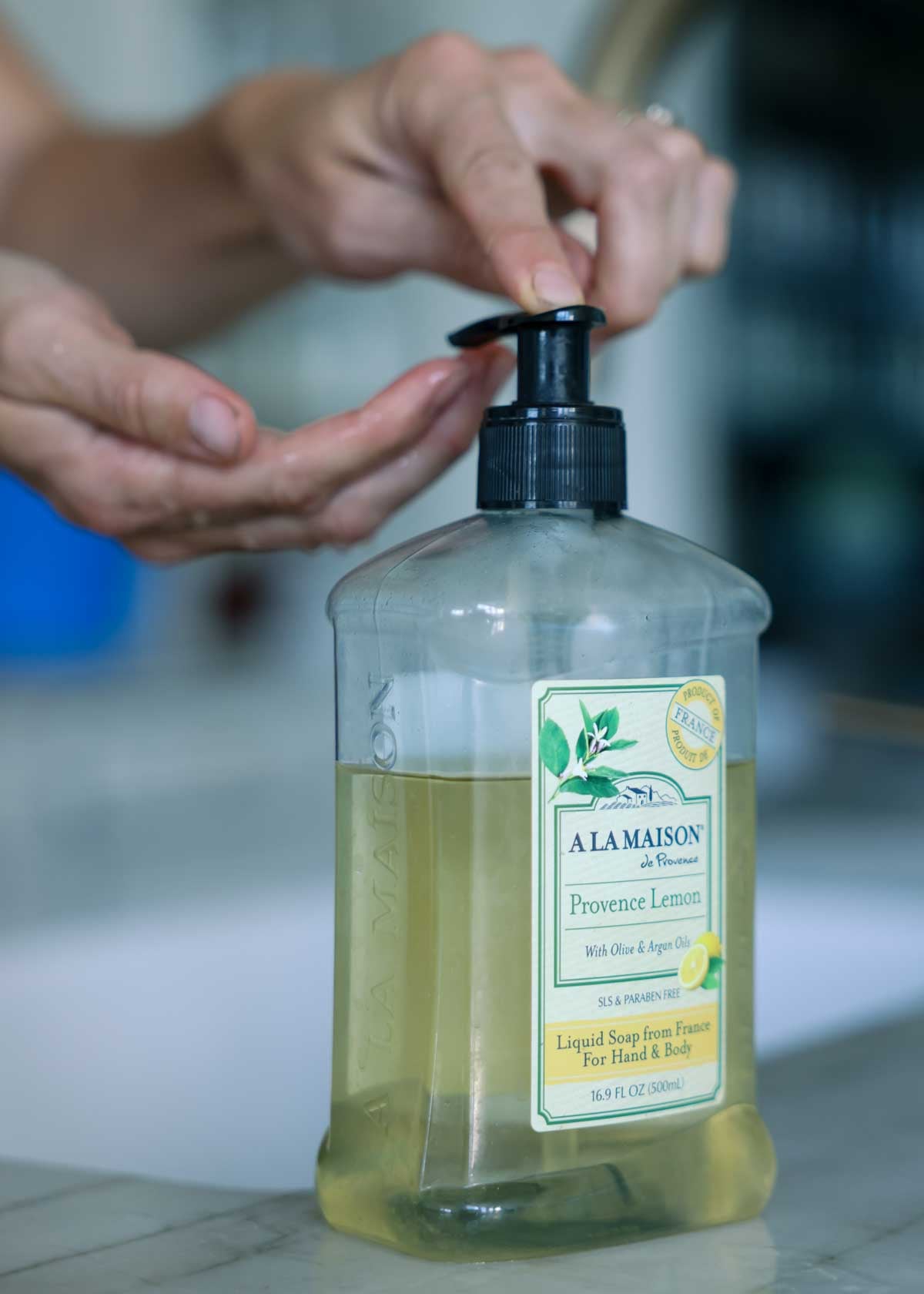
Hygiene is more than just smelling nice, it also helps reduce infection and serious illness. You may want a little to-go kit for a “bug out bag”, to have some items for outages at home, or to stock up on extras in the case of a shortage. Here are a few ideas:
- 5 Gallon bucket and a trashbag as a portable outhouse. In an emergency situation, modern plumbing could easily go out. Having a bucket lined with a trashbag to contain and remove waste is essential for emergency sanitation. Another option is to a compostable toilet and either use it or just keep it in storage if the need ever arises.
- Hand Sanitizer – When water is being rationed for drinking and meal time, having a “waterless” way to wash and clean your hands is the first step in eliminating germs. You can purchase this or make your own with 2 parts alcohol and 1 part aloe vera gel. We prefer to keep the raw bulk ingriedients on hand.
- Toothbrush, toothpaste, and other toiletries like shampoo, soap, razors, deodorant, etc.
- Manual spray pump emergency showers.
7. Heat & Cooling
Depending on where you live, you may want to focus more on emergency heat or emergency cooking if you no longer have your normal source available.
HEAT
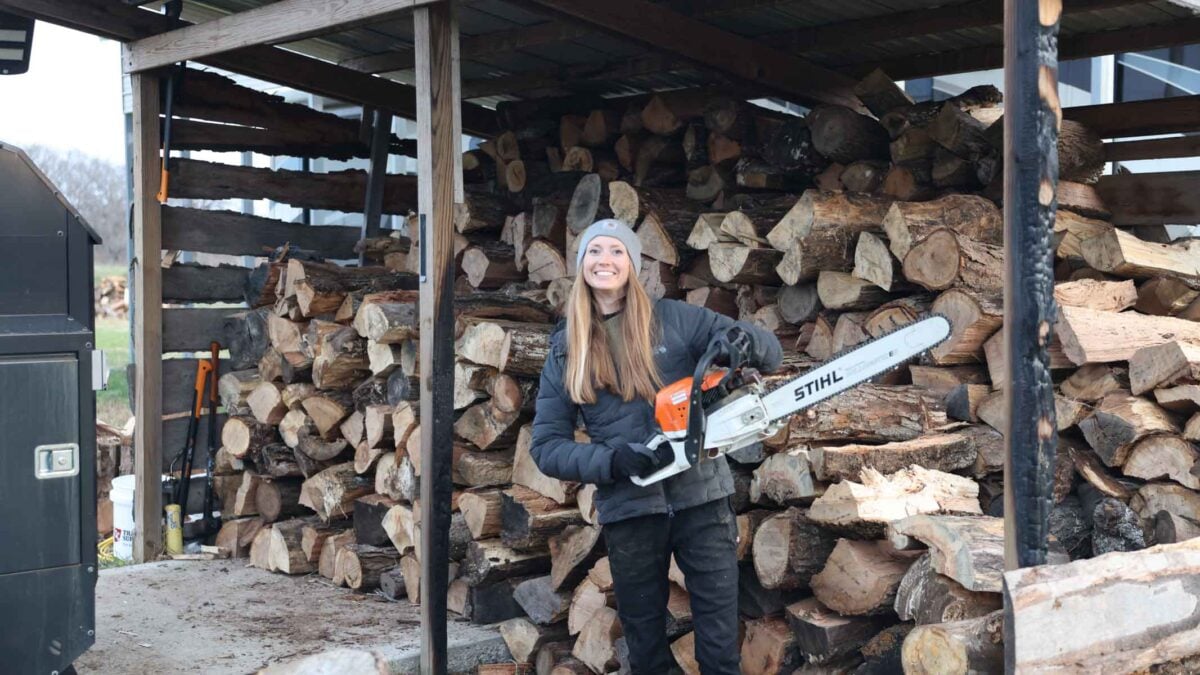
A wood stove is the ideal way to heat a home. In most of the east coast and some parts of the west, wood is readily available and renewable. It requires effort to procure and prepare but it’s relatively cheap and warms a home well.
Wood stoves don’t require electricity, they work using radiant heat. Another option is to use a wood boiler. We have one but it does require electricity to run the pump. It could easily be powered by solar if you live in an area that gets enough light in winter.
COOLING
Cooling is not often thought about but can be very important. Many people die from heat exhaustion each year. Therefore, in areas where excessive heat in summer is a reality you need ways to cool down.
Here are some options:
- Opening windows only at night when it’s cooler and using multiple open windows to create a cross breeze.
- Have a body of water to cool off in like a pool, pond, stream, or even filling a livestock tank.
- Creating or finding a cool shady spot outdoors if your home is too warm
- Most importantly, stay hydrated in the heat!
8. Backup Power
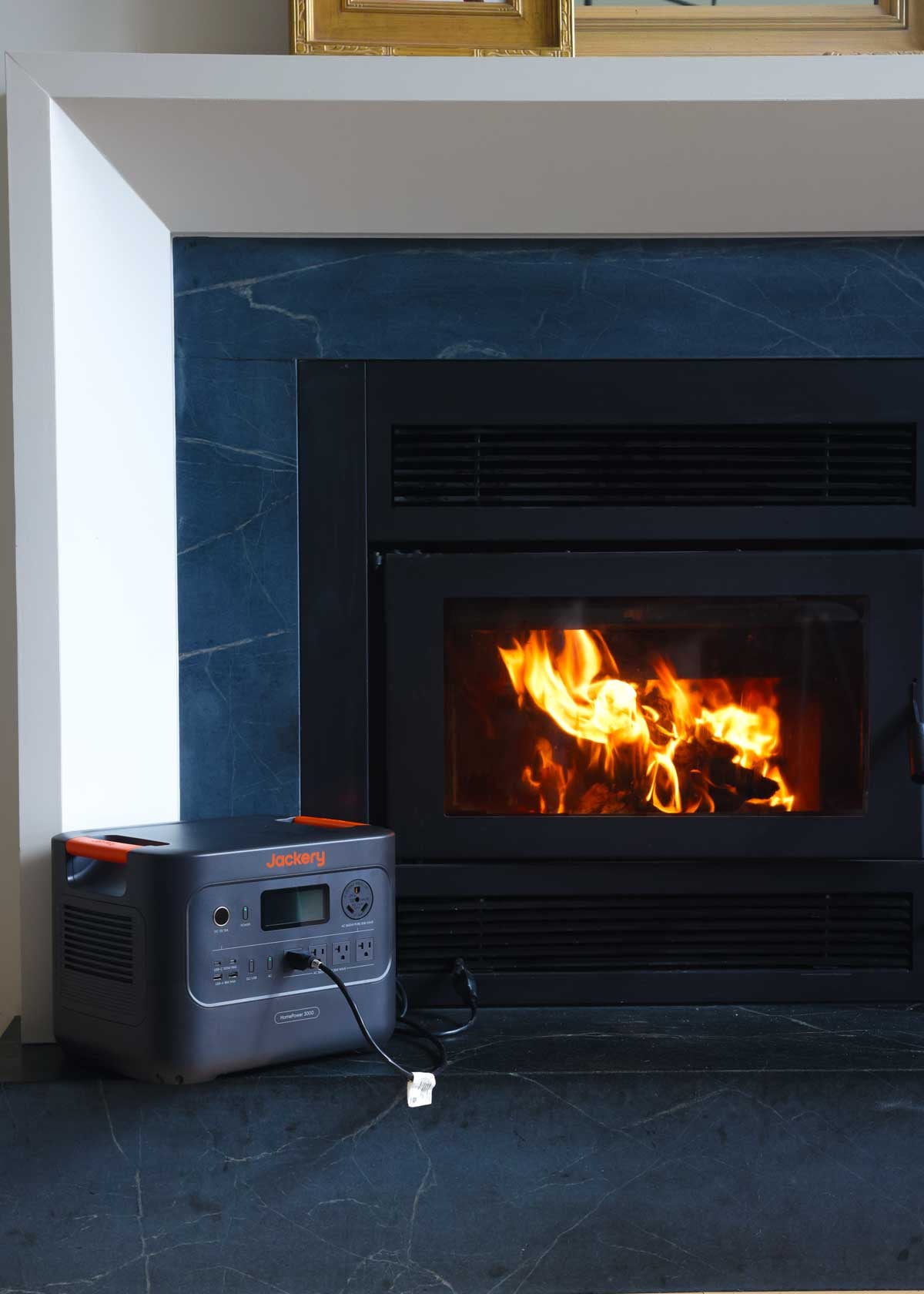
Having backup power available is a luxury for most during a power outage. It can keep your refrigerator running, freezers cold, lights on, and with a whole home generator you could even run your HVAC.
For those with medical needs that require power like a C-Pap or Oxygen tank, this is a non-negotiable. I highly recommend purchasing a generator.
We have a propane whole home generator and multiple battery powered generators as well. For most a battery powered generator is the easiest option. We like that it’s portable, you can use it indoors, and you don’t have to worry about killing yourself or your family with carbon monoxide. It’s also rechargeable, and even though the power doesn’t last forever, it covers most small outages.
We’ve tried LOTS of different kinds of portable battery generators and they all have their pros and cons. It really depends on the features your looking to have. But if you’re looking for our recommendation, at this time we would probably go with Jackery’s HP3600 plus.
It packs a lot of power and we like the wheels and portability and got the solar to go with it. We use it all around our farm, not just for emergencies.
9. Backup Cooking Options
If you need to make a meal, you’ll likely need heat and a way to cook. What if you’re power is out and you have an electric range? Or what if you can’t get gas for your gas stove?
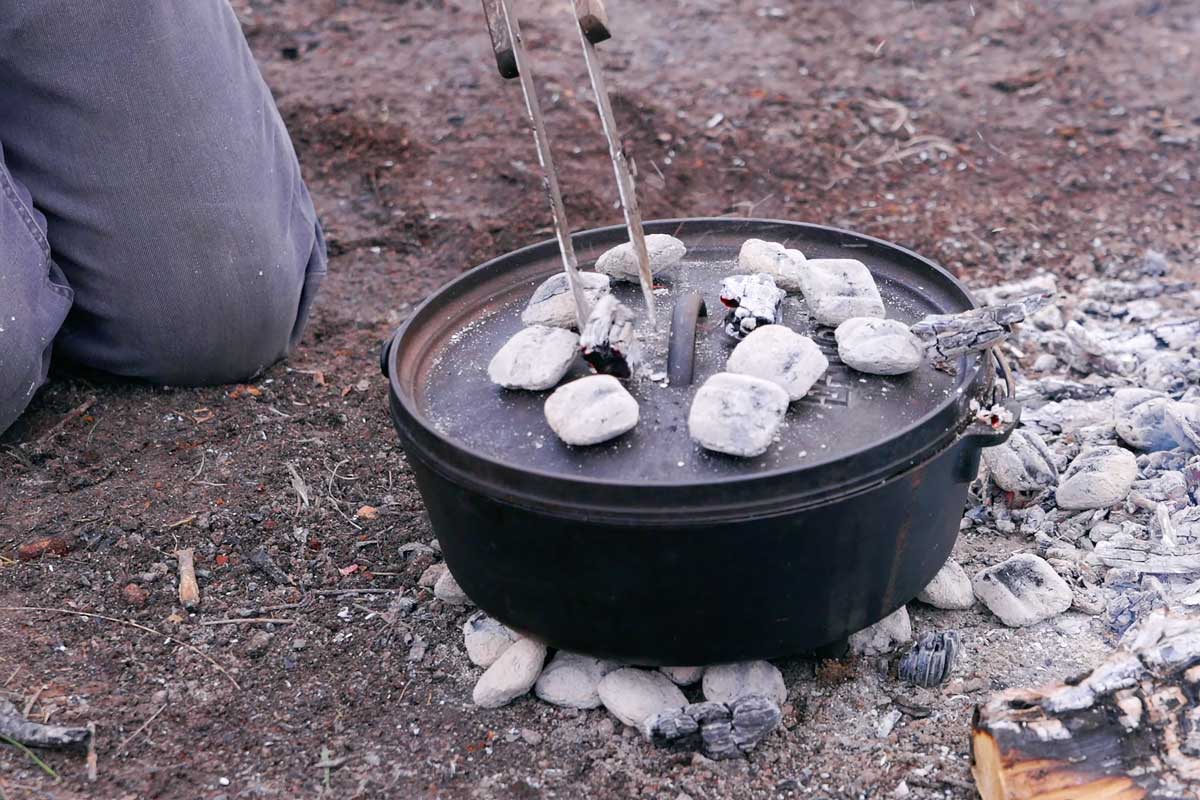
The most basic and primal option is to start a fire and cook over it. It doesn’t need to be fancy, just make sure you have cookware that can handle it. We like to use cast iron for this purpose.
Other ideas:
- Wood cookstove
- Propane camp burners
- Charcoal grill
- Propane grill
- Solar oven
This one is super fun to practice at home or on a campout. Campfire cooking is delicious and fun!
10. Car Preparedness
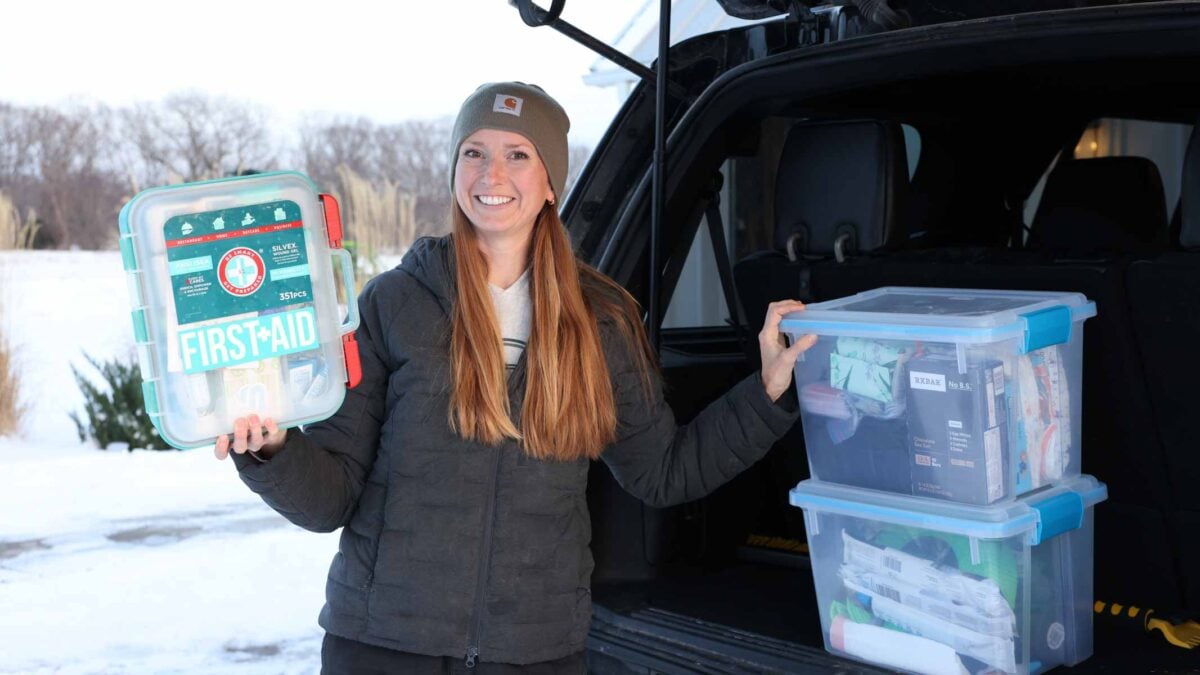
Oftentimes we find ourselves in emergency situations in our cars away from home. It’s important not only to have a spare tire, but also several basic items for emergency situations. We put together an emergency car kit and it has already saved us so many times!
Here’s where you can read about all the things we put in our winter emergency car kit. You’ll want to rotate things around for summer too.
11. Winter Preparation

In areas that experience cold winters, being prepared for major weather events are a huge part of being prepared.
Winter preparation includes having all the supplies and food you need for a few weeks and preparing your animals & livestock if you have them. For us that means having hay, feed, warm bedding, shelter, water, etc for the animals.
Additionally you should have plenty of fuel, wood, basic medical supplies, and back up water for if pipes freeze.
If you are prepared you can hunker down and relax. The alternative that I’m sure you’ve seen many people do is run to the grocery store and panic buy before a storm. By the way, if that’s you, no worries! Even thinking about preparing for a storm is leaps above the majority of the population.
You also are much less likely to need to drive in dangerous weather because everything you need is at home.
12. The “Red Folder”
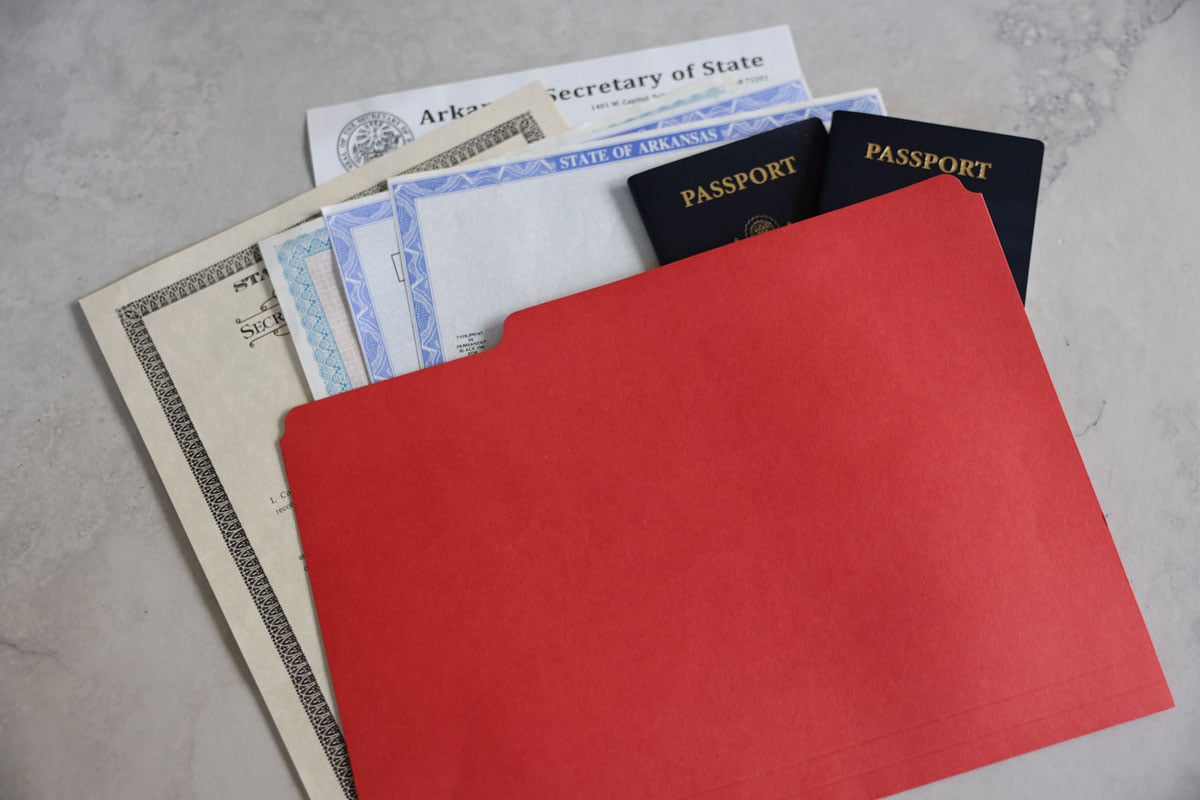
When my uncle passed away, there was a folder he had left in their filing cabinet that had everything his wife needed to ensure she was taken care of, financially.
His “red folder” of sorts really mattered in a time of need. It made it so that his wife could focus on grieving, mourning, and adjusting to her new life with as little additional stress as possible. What a blessing this was for her.
Our red folder includes the following documents. Pleas add other documents or files you deem necessary. The goal of the red folder is to keep important documents(or copies) that might be needed in an emergency, so that all information in one easy spot. Reducing stress and panic is an often overlooked part of emergency situations.
- Passports, birth certificates(or copies)
- Identification cards
- Insurance Policy Info
- Wills or Trust Info
- Deeds/Titles
- Any important financial Documents
- Any login info for relevant accounts
Instead of keeping ours in a filing cabinet, we keep our red folder in a locked gun safe that is fireproof. That way in the case of a house fire, or break in, all our documents are in a safe and protected space.
13. Communication & Evacuation Plan
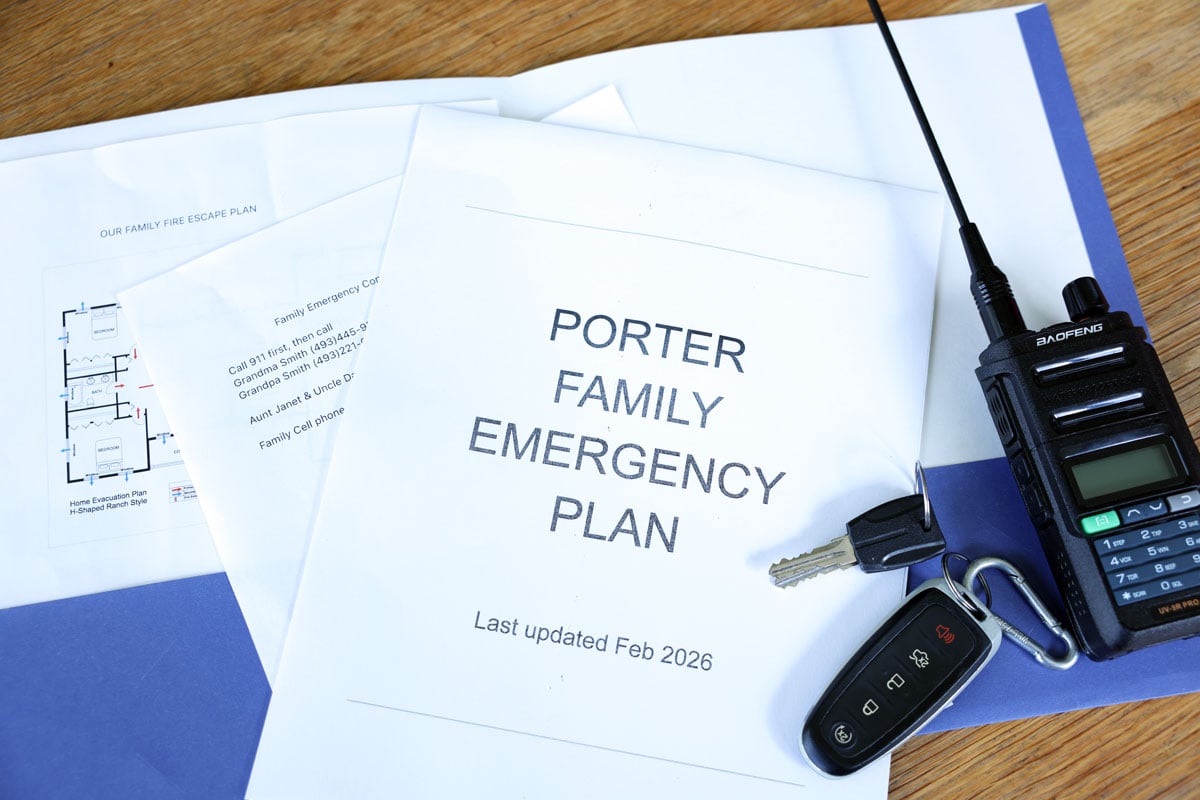
I’ve witnessed first hand what a good communication plan looks like in a crisis. Boy does it make a difference. Have a plan, written down and accessible to everyone in your household. Review it often. A good plan clearly outlines who is in charge, what everyone’s role is, and how and when to communicate necessary details.
Having a communication plan keeps everyone informed, reduces stress, and allows you to focus on the true needs at the time.
An emergency communication plan can include but isn’t limited to the following things: house evacuation plan for a fire and where to meet, emergency contact numbers and addresses, an extended family meet up plan for a large natural disaster, and steps for a medical emergency.
72 hour kit or bug out bag
If you need to hurry and leave your home, you definitely want a bag filled with the things you’ll need for the next 72 hours.
I recently heard from someone that they had to evacuate their home last year for a wildfire. It was the first time it had happened to them. They were freaking out because the alert said they needed to get out of the area within a few hours.
This person was literally paralyzed with fear and overwhelm and could not function well enough to pack things up. They were wasting time and could not think of what to take.
Don’t wait until an emergency to pack things and get out of town! You need to put together a kit of everything you’ll need for 3 days during a calm, stress free time. That way you’re ready even if you can’t think straight.
if it’s a situation like a wildfire where your home may burn down, make a list a important things you want to bring in addition to your kit.
We’ll talk about this more in depth soon, but think about going on a short trip, emergency style and build your kit from there.
14. Do a Skills Assessment
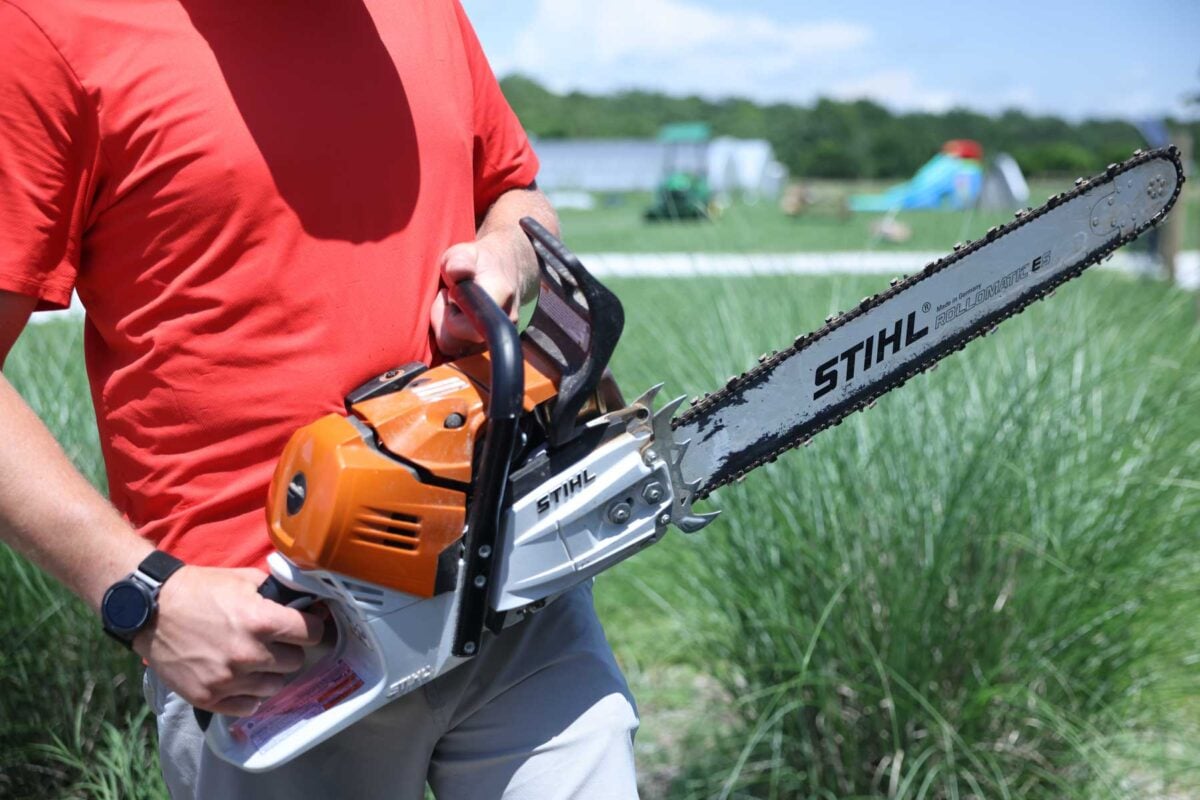
What skill sets do you possess that would be beneficial in an emergency? Are you the person the neighbors call when their car needs looked at or a new tv installed? Can you cook great food, or grow a garden? These are just a few examples to get you thinking.
At an old job, a few co-workers and I would play an apocalypse draft pick game of sorts. We would each take turns picking someone from the office to be on our “team” should the end of the world come tomorrow.
It was all in good fun, but the conversations about why we picked certain individuals really got serious at times. If you were in this office game, what assets would you bring to the table in a catastrophic situation?
15. Know Your Community
You should never do this alone. There is strength in community. It is empowering to become self-reliant, but as strange as it sounds, I believe an important part of self-reliance is knowing what you can do yourself, and when to lean on others for support.
Start by finding one person that shares similar preparedness interests. Talk about scenarios and what you would do if “xyz” happens. Commit to checking on eachother during and crisis situations.
I have a close friend who wrote a book about a startling event that their family experienced that jumpstarted their preparedness journey. It’s a really good book, designed for anyone looking to get serious about preparing their family for the unexpected. The book is called Primal Defender.
Final Thoughts
My goal here is not to overwhelm you. Hopefully you are naturally working on some of these steps already.
Don’t rush the process; think of how to start prepping as a lifestyle shift rather than a single event, learning and adapting the whole time.
Remember, the goal of learning how to start prepping is not to live in fear, but to live with confidence, knowing you are ready for whatever challenges may arise.